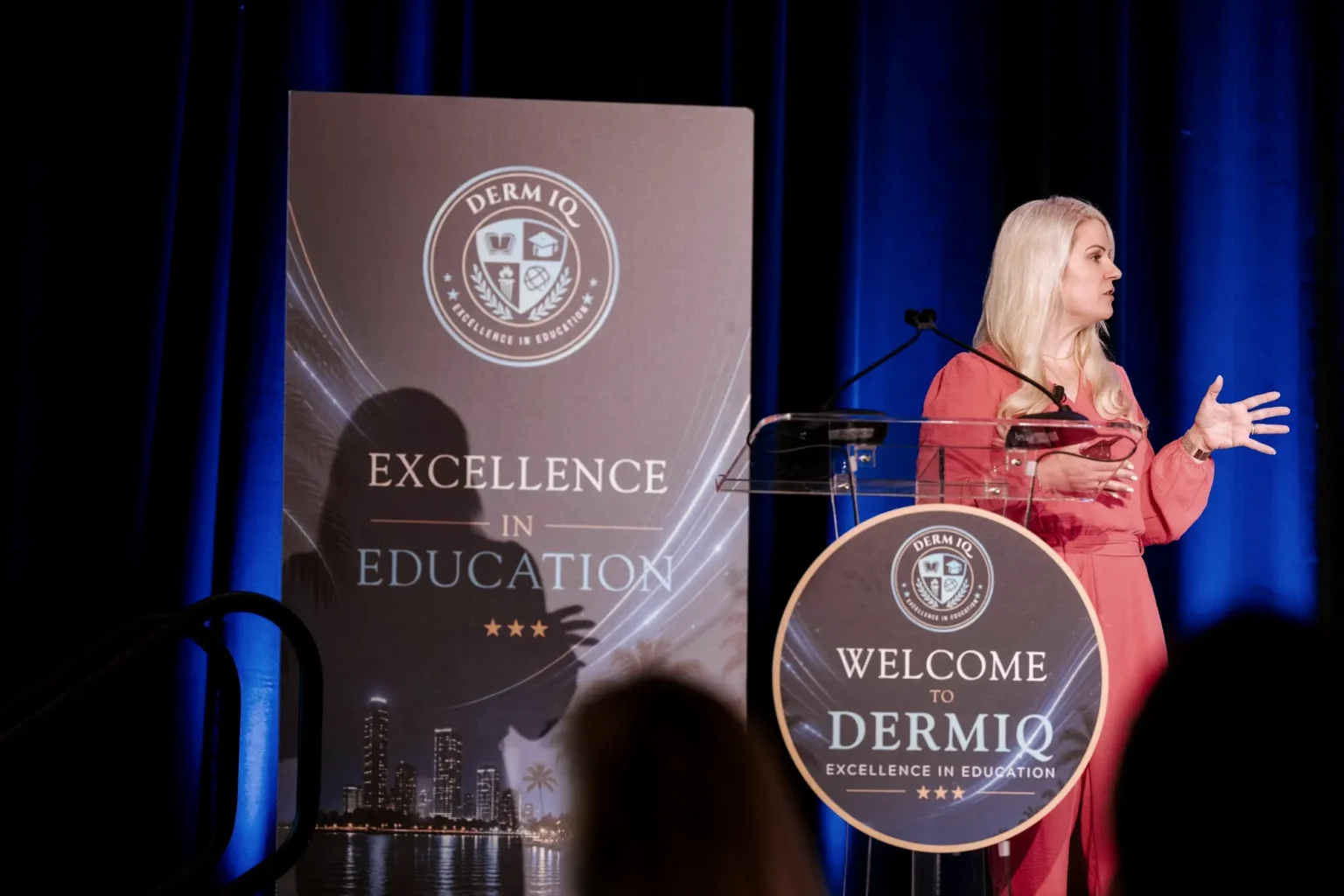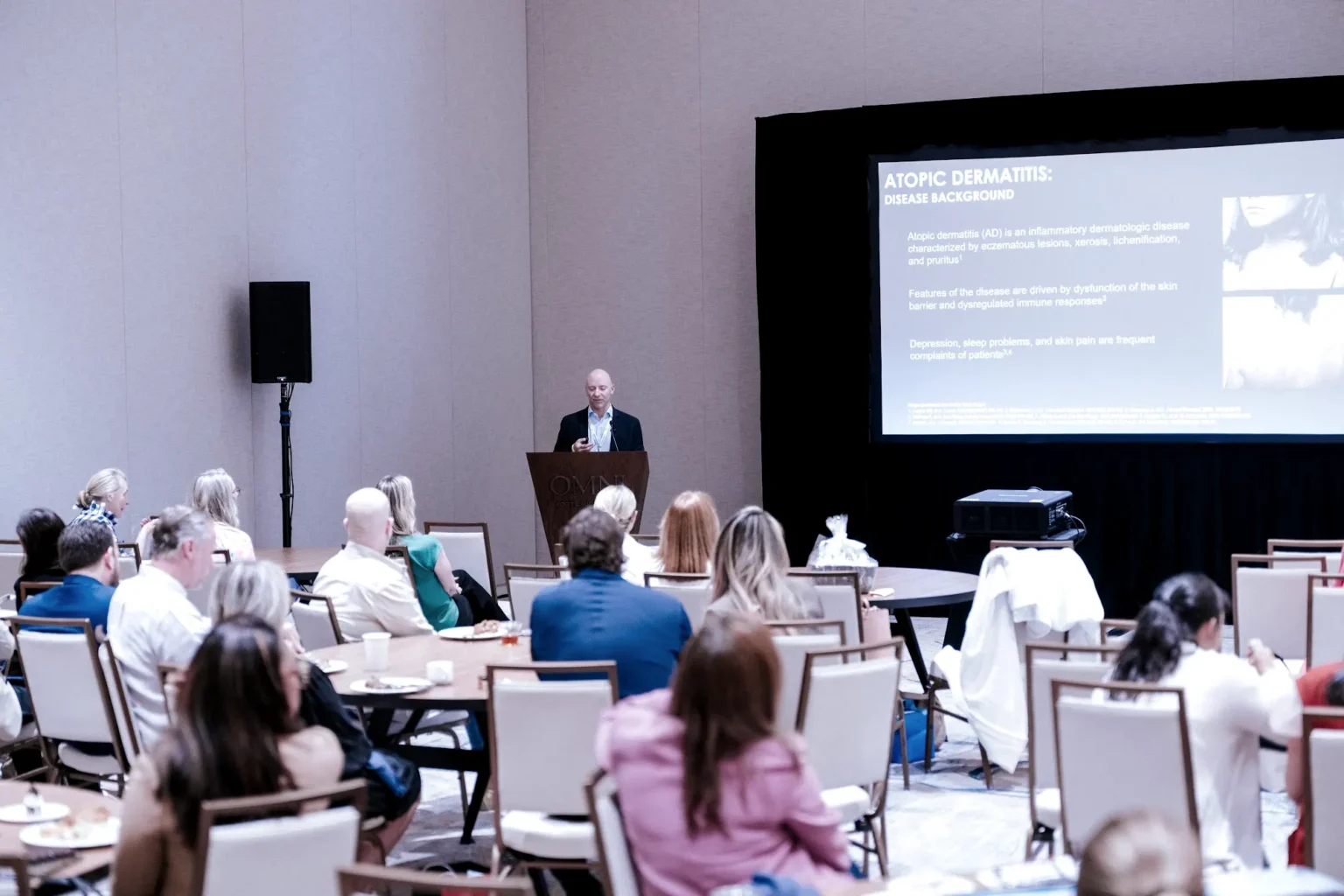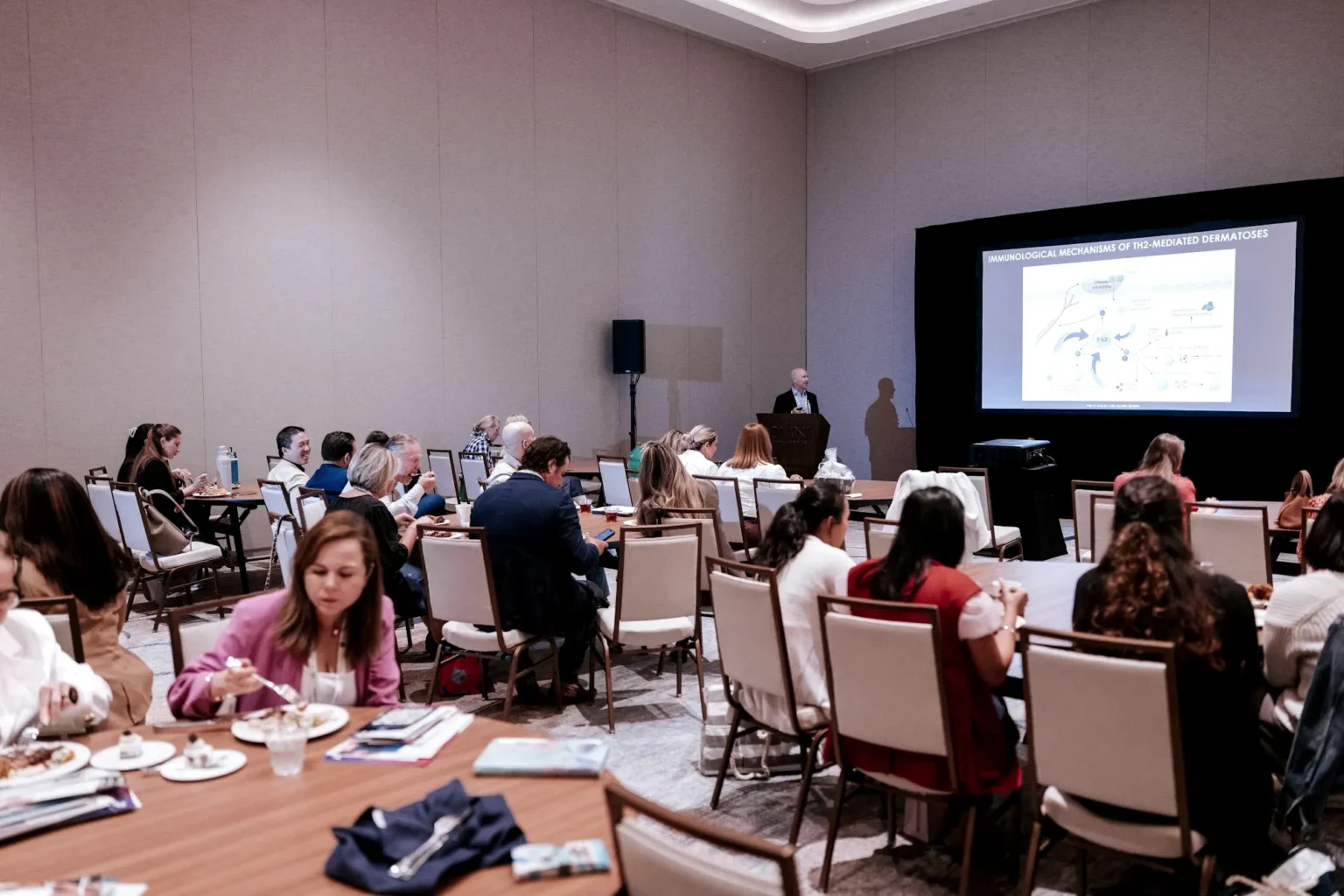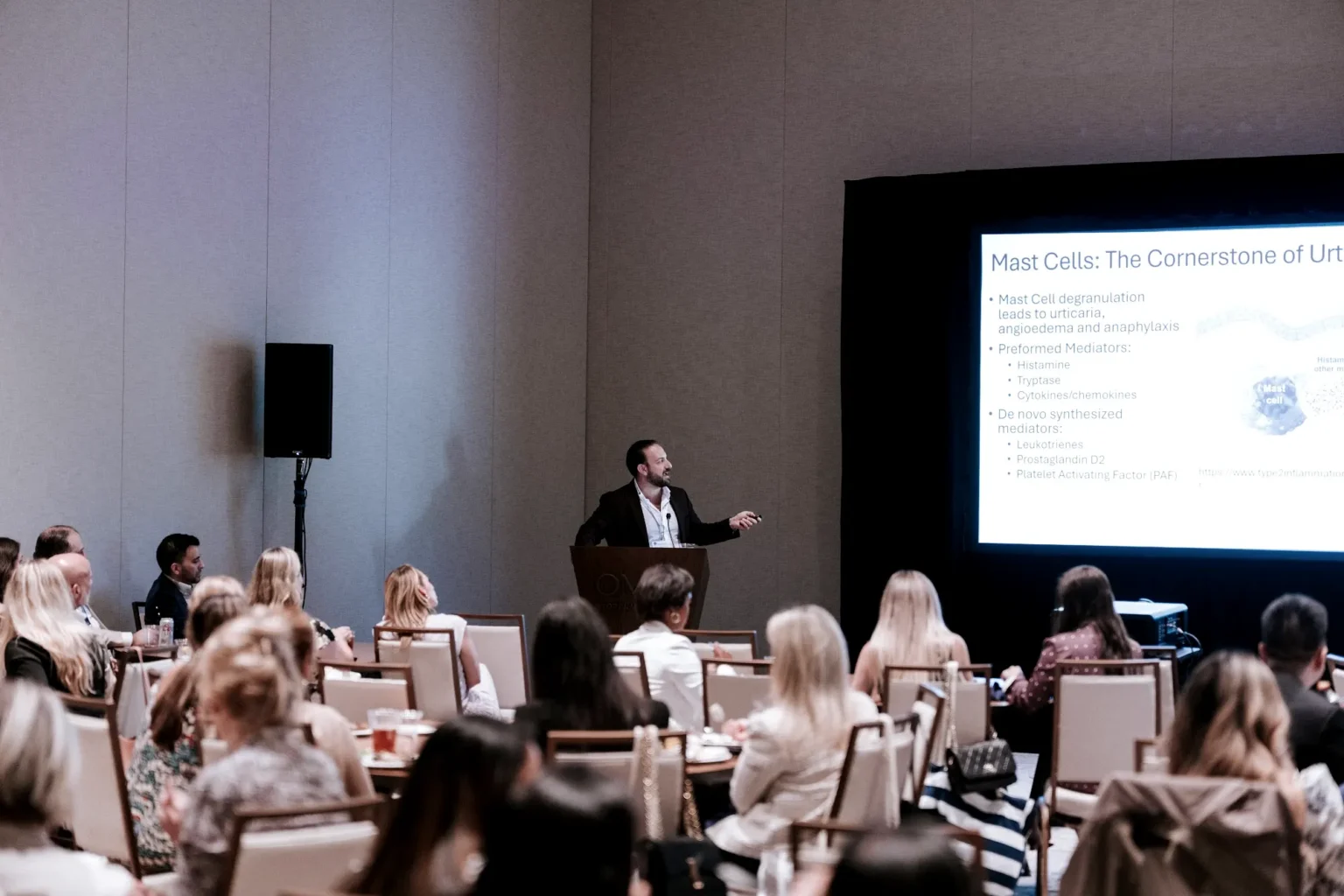
Every aesthetic treatment is a medical procedure on a patient with a medical history. The injector, the laser operator and the medical director all carry clinical responsibility, whether the setting is a dermatology practice or a med spa. That is why DermIQ teaches aesthetics as medicine.
Why do aesthetic clinicians need medical-grade education?
Because the risks are medical, so the training has to be too. The FDA calls unintentional injection into a blood vessel "the most concerning risk associated with the use of dermal fillers," with reported complications including tissue necrosis, vision abnormalities including blindness, and stroke. The agency notes the chance is low, but the complications can be serious and may be permanent.
The same FDA guidance is blunt with clinicians: do not inject dermal fillers without the appropriate training or experience, and know the anatomy at the injection site. That is not a marketing standard. It is a clinical one.
Aesthetic patients also arrive with everything else a patient brings: medications, autoimmune disease, active skin conditions, pregnancy, unrealistic expectations. A rash that looks like irritation may be something else. A request for "one more syringe" may deserve a different conversation. Medical training is what lets a clinician see that.
The risks are medical, so the training has to be too.
What does safety readiness look like in practice?
Readiness means knowing the anatomy before the needle, recognizing a complication early, and having a protocol, supplies and a referral path in place before the first patient of the day. It is planned in advance, not improvised.
Anatomy first
Vessel depth and course, danger zones, and how tissue planes change with age are the foundation of safe technique. At the DermIQ Summit 2026, the aesthetics morning taught neurotoxin treatment areas through an anatomical approach and covered laser parameters for safety and efficacy before any discussion of results.
Patient selection
The safest complication is the one avoided at consultation. A careful history, a look at the whole face and skin, and a clear conversation about goals and limits come before any treatment plan. When the answer is "not today" or "not here," the clinician should be comfortable saying so and referring.
Complication management
A complication plan answers four questions:
- What are the early signs of vascular compromise, and who on the team is trained to spot them?
- Is there a written emergency protocol, and are the supplies on hand and in date?
- Which physician gets the call, and how fast can they respond?
- Where does the patient go for an emergency that is beyond the clinic, including any visual symptoms?
Complications are not limited to fillers. Device burns, infection and pigment changes, especially in darker skin types, all call for medical judgment and follow-up.
Who directs care, and who decides scope?
State law and licensing boards decide scope and supervision for aesthetic procedures, and the rules vary by state and by credential. Every clinician should know their own state's rules, and every practice should know exactly who its medical director is.
Medical direction works when it is real. That means a director who sets protocols, reviews cases, is reachable during treatment hours, and is ready to step in when something goes wrong. A name on a form does not meet that bar. Documentation, consent and photo policies belong in the same conversation.
This is also where APPs and physicians clarify their roles together. DermIQ's goal across the care team is "not to blur roles, but to clarify them." In aesthetics, that clarity protects patients and clinicians alike.
Why put an aesthetics day inside a medical dermatology meeting?
Because the patients overlap, and the training should too. The same person with acne scarring, melasma or rosacea may see an aesthetic clinician before anyone else. That clinician needs the medical dermatology context to treat well, or to refer.
It runs the other way too. Dermatologists and primary care clinicians field aesthetic questions from their own patients, and hearing how aesthetic colleagues assess, plan and manage risk makes those conversations and referrals better informed.
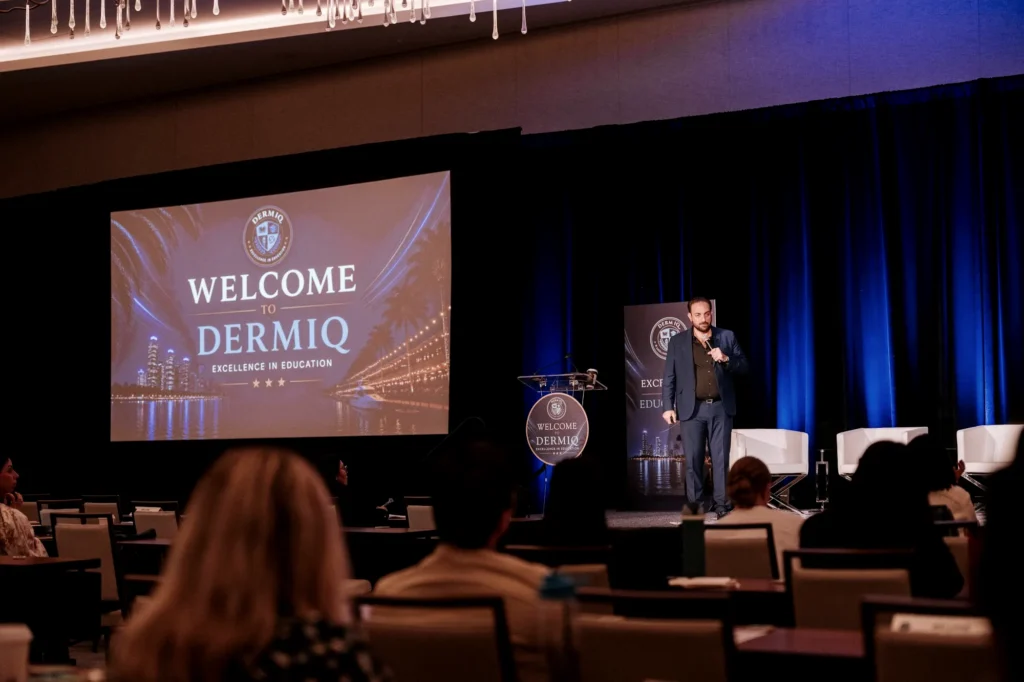
At the Summit 2026, aesthetics day came after two full days of medical dermatology, so aesthetic clinicians could attend both. It ran in two tracks, Foundations and Advanced, with live injection and device demonstrations, and closed on practice building. Faculty included PAs, an internist and dermatologists. Industry sessions were labeled non-CME, because sponsors support the events, but "they don't write the curriculum."
The approach fits DermIQ's founding idea: "Education-First. Clinician-Led. Community-Driven." It also echoes the referral frame in Know when to treat. Know when to refer.

What's next
The DermIQ Summit 2027 moves to Miami in June 2027, with more live, hands-on training. Dates and venue are still to come. Join the waitlist to hear first, and read About DermIQ for who is behind the curriculum, or join the newsletter for new aesthetics content between meetings.
Education for every clinician who touches skin. Written for clinicians, not as advice for patients. Questions or a case to share? Write to us.