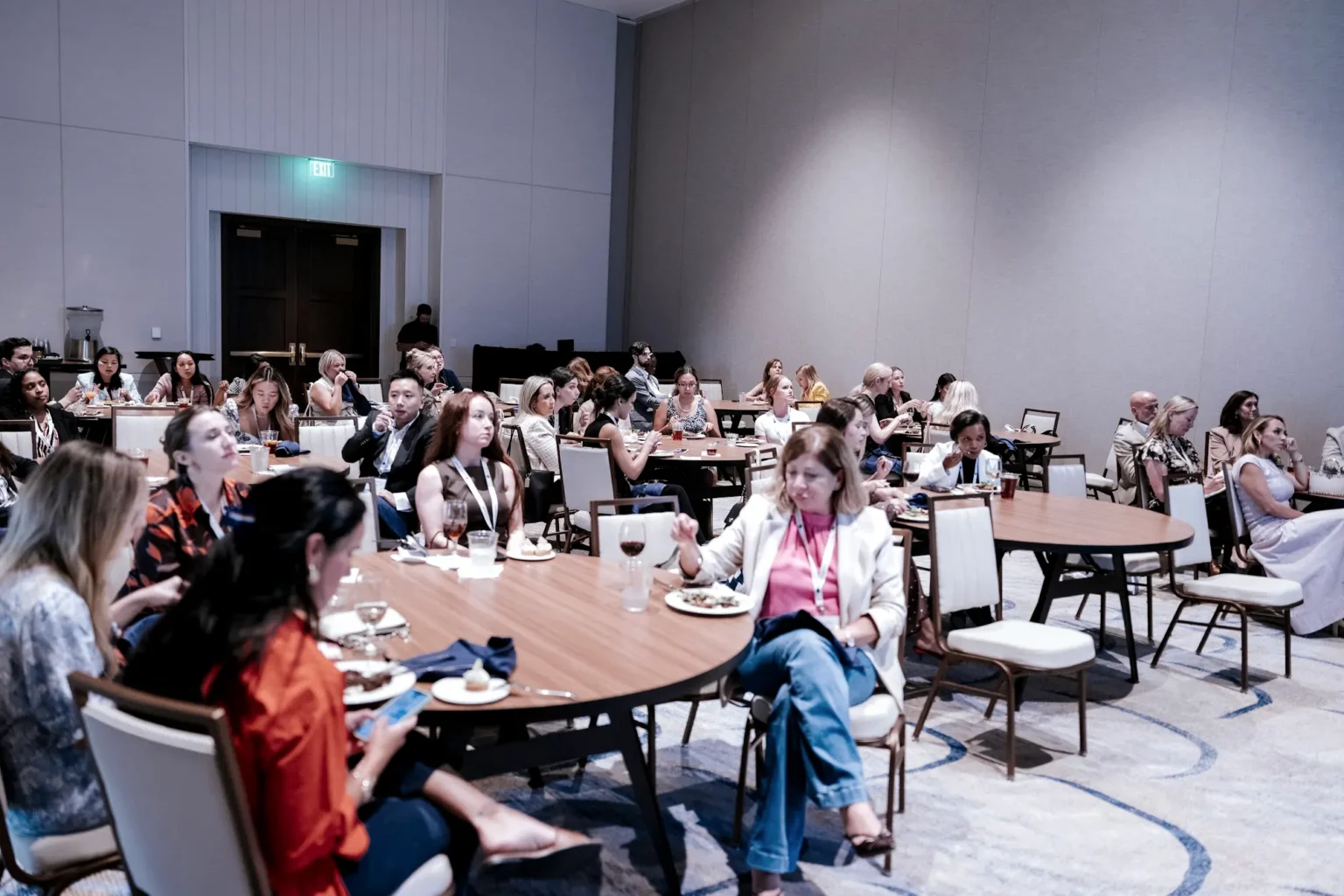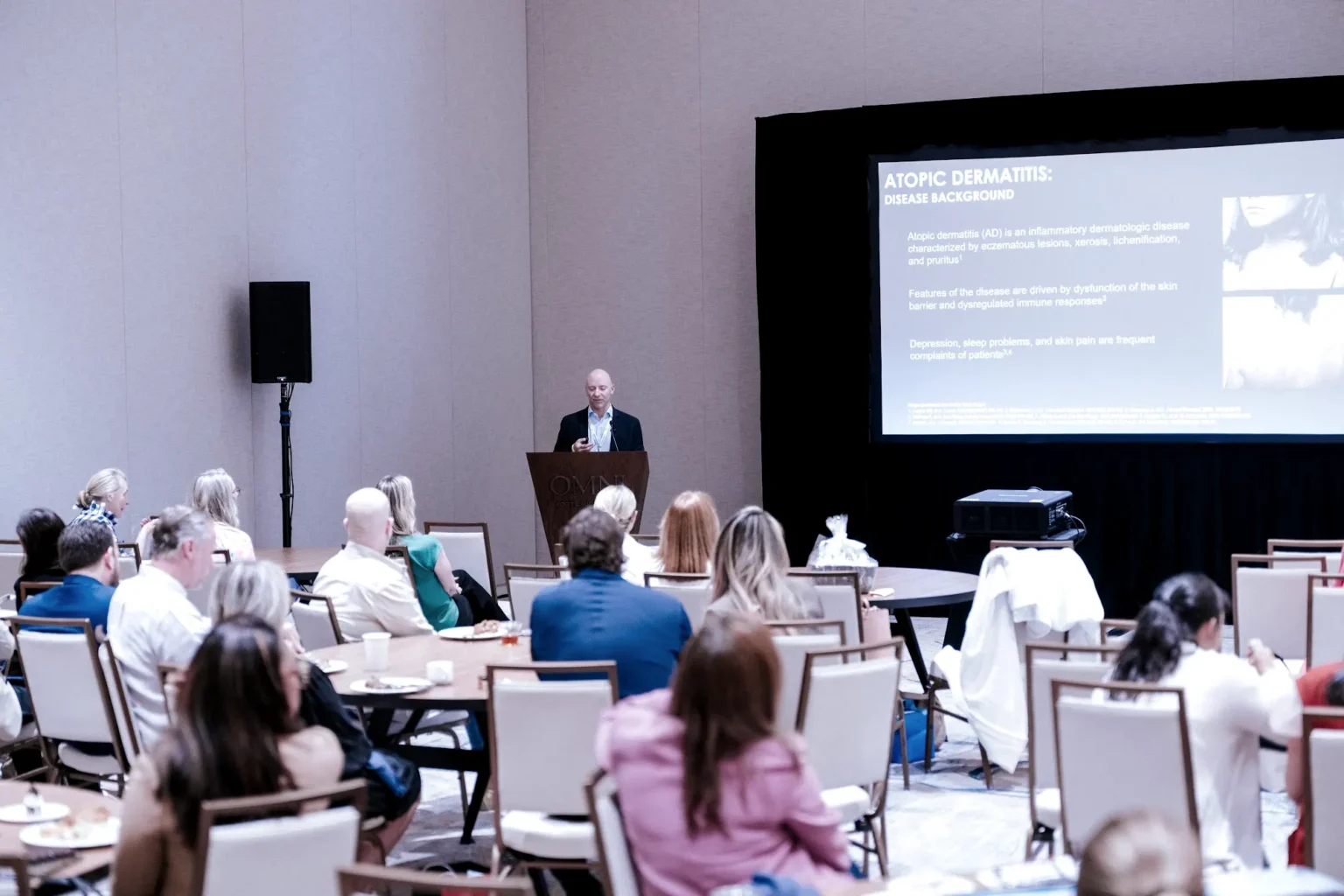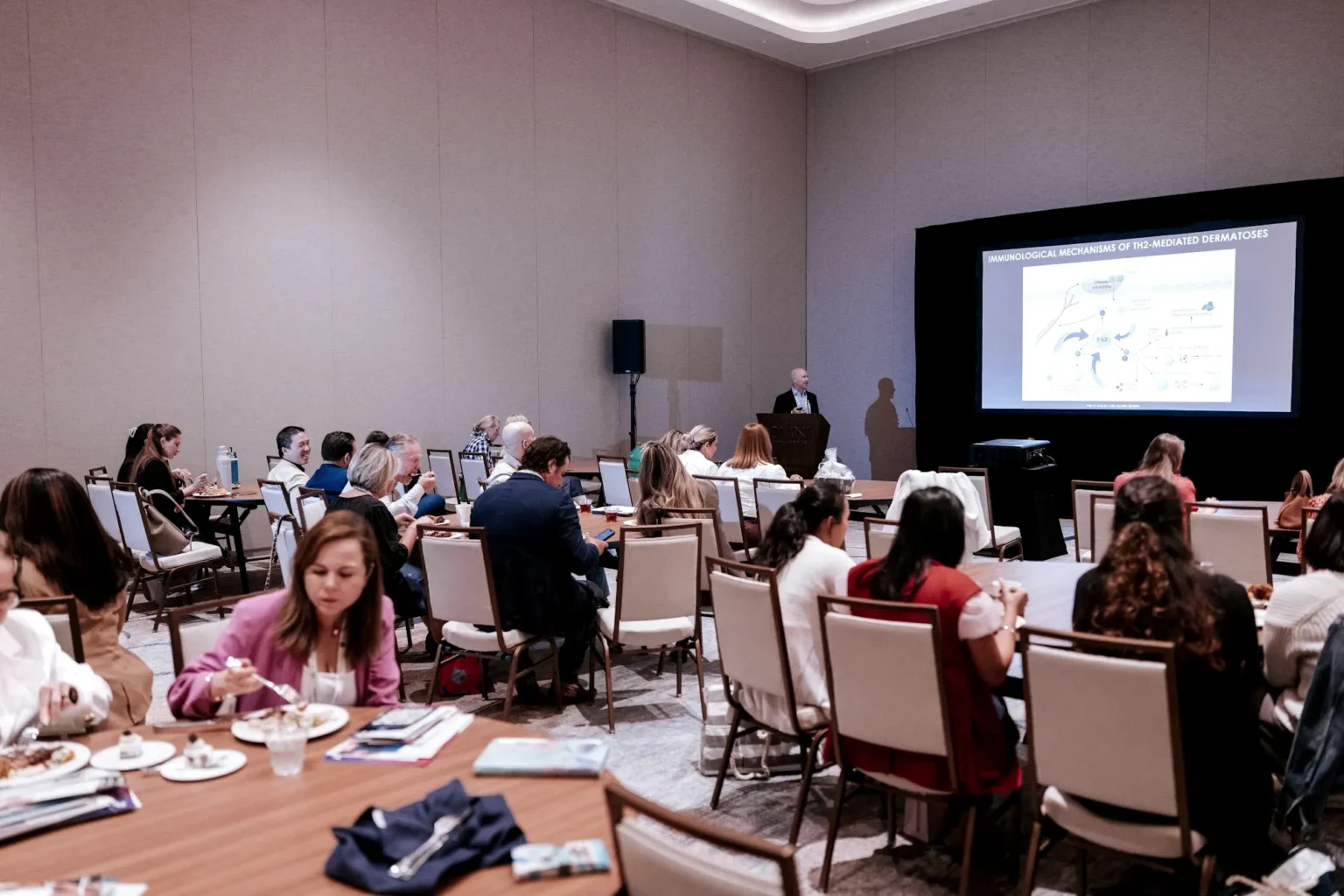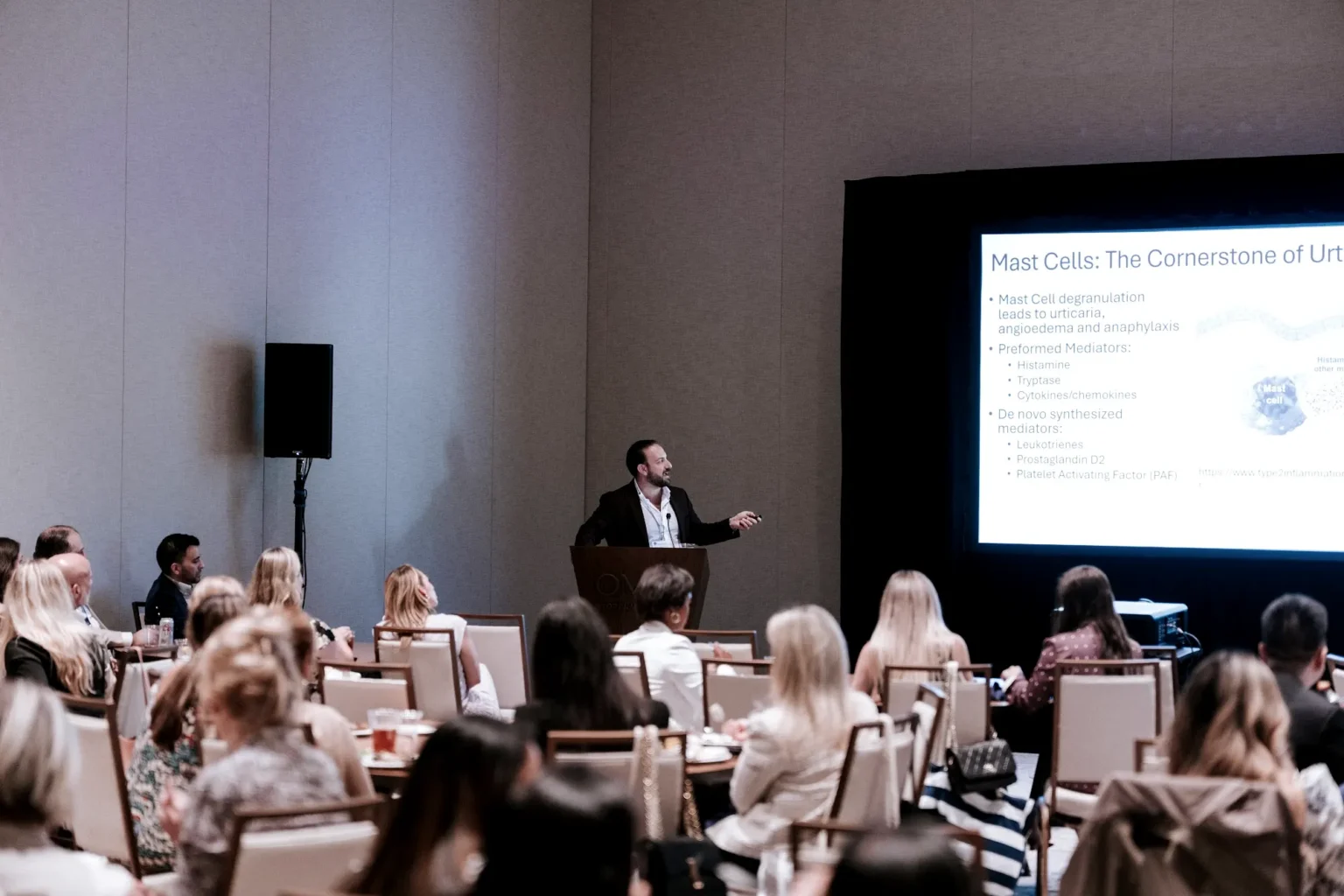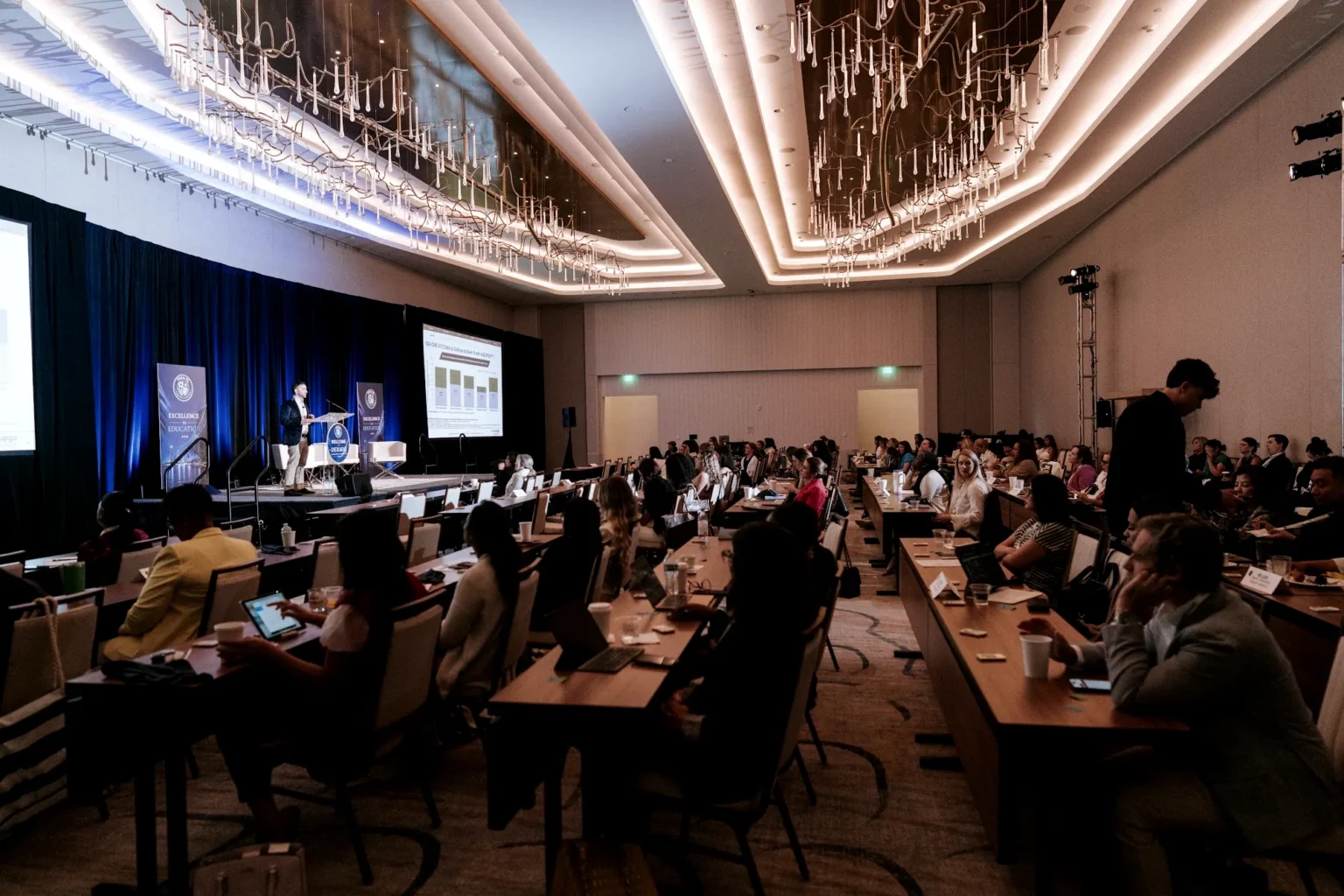
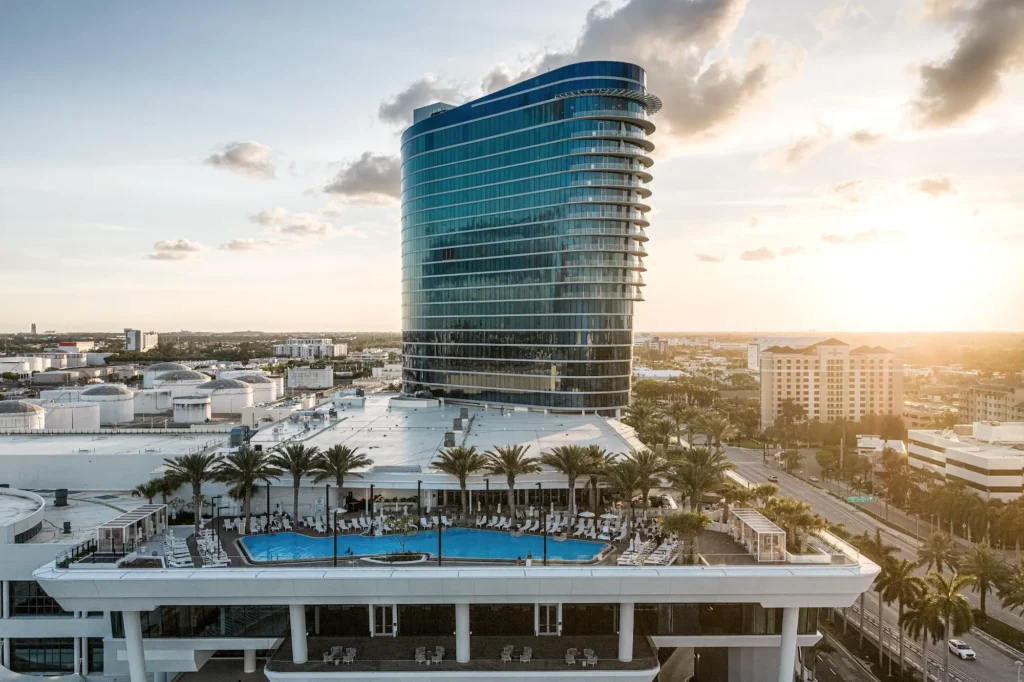
For three days in June, more than 200 clinicians who touch skin shared one room at the Omni Fort Lauderdale Hotel. Dermatologists sat beside primary care physicians, PAs, NPs, aesthetic clinicians and residents, and the conversation did not split by specialty. Here is what happened at the DermIQ Summit 2026, what people took home, and where it goes next.
Who was in the room?
The Summit brought 200+ clinicians from across the care team, plus industry partners, to Fort Lauderdale from June 5 to 7, 2026. That mix was the point. "Most dermatologic care happens outside traditional dermatology offices," so the clinicians managing that care should learn next to the specialists they refer to.
The room included board-certified dermatologists, primary care and family medicine physicians, physician assistants, nurse practitioners, aesthetic clinicians from medical and cosmetic settings, and residents and trainees. Medical science liaisons and other industry professionals attended in their own registration category.
The Summit is the beginning, not the end.
What did the medical dermatology days cover?
Friday and Saturday were medical dermatology: acne, hair loss, atopic dermatitis, urticaria, chronic hand eczema, hidradenitis suppurativa, psoriasis, vitiligo and skin cancer tools. Most blocks paired a disease-state talk with a practical one, so clinicians left with both the biology and the next step in clinic.
Friday, June 5
Shannon Trotter, DO, FAAD, opened the teaching with "Light, Data, and Diagnosis: Modern Tools in Skin Cancer Management," followed by a session on phototherapy in dermatologic care. Shanna Miranti, MPAS, PA-C, led the acne block, starting with "Breaking Down the Breakouts: Rethinking Acne Pathophysiology." Tracee Blackburn, PA-C, covered over-the-counter strategies for acne-prone skin, pigment changes and hair care. Amy Spizuoco, DO, FAAD, taught "Decoding Hair Disorders: Diagnostic Pearls for Every Clinician" and "Advances in Alopecia Areata: The Tale of the JAKs." Naiem T. Issa, MD, PhD, FAAD, closed the day with "Seamless Care Starts Here: Strengthening the Primary-Specialty Partnership."
Saturday, June 6
Leon Kircik, MD, and Dr. Issa opened with "From Past to Pipeline: The Path of Dermatologic Progress." Adrian Rodriguez, MD, took atopic dermatitis in "Atopic Dermatitis Across Ages: Clinical Insights and Comorbid Realities." Walter Liszewski, MD, joined Dr. Issa for "Urticaria Uncovered: From Triggers to Targeted Therapy" and "Chronic Hand Eczema: Burden, Barriers, and Breakthroughs." Steve Daveluy, MD, led the hidradenitis suppurativa hour. Brad Glick, DO, FAAD, ran the psoriasis hour, including a session with Dr. Issa on psoriasis, psoriatic arthritis and emerging GLP-1 pathways. Dr. Issa closed with "Breakthrough Therapeutic Advances in Vitiligo."
CME was jointly provided by Amedco LLC and QMED CME. Industry product theaters and symposia ran on the same schedule and were labeled non-CME. Supporters help make the meeting possible, but "they don't write the curriculum."
What happened on aesthetics day?
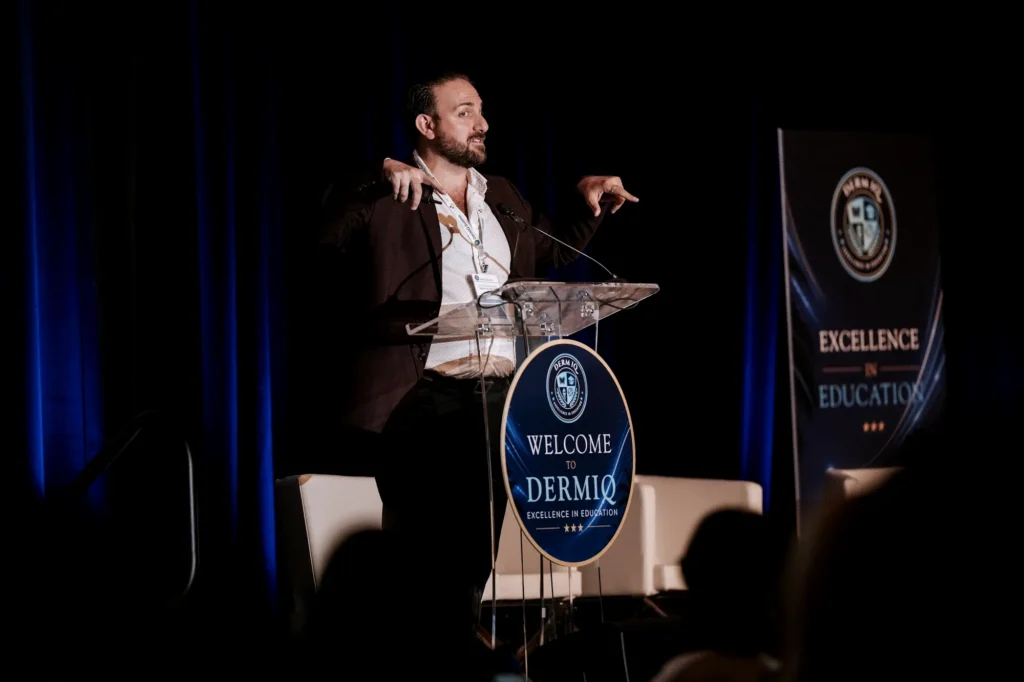
Sunday, June 7, was aesthetic medicine, taught as medicine. The morning moved from safety and practice integration through neurotoxin anatomy, fillers, scar revision, submental fat and laser parameters, then split into two breakout tracks: Aesthetic Foundations and Advanced Aesthetics.
Track A, Aesthetic Foundations, gave clinicians newer to aesthetics a grounding in core assessment and technique. Track B, Advanced Aesthetics, was taught by PA faculty for experienced injectors.
Jonathan Sigg, PA-C, opened with safety and strategy for bringing aesthetics into an existing practice. Faryal Izhar Farooqi, MD, an internist, taught facial filler architecture and "Lasers: Optimizing Parameters for Safety and Efficacy." Dr. Spizuoco spoke on the aesthetic medicine and skincare market. Live injection and device demonstrations ran through the day. The afternoon turned to practice building: where to start, how to scale, and a closing panel on branding and retaining the right team. For why this day sits inside a medical meeting, read Aesthetic medicine is medicine.
What did people walk away with?
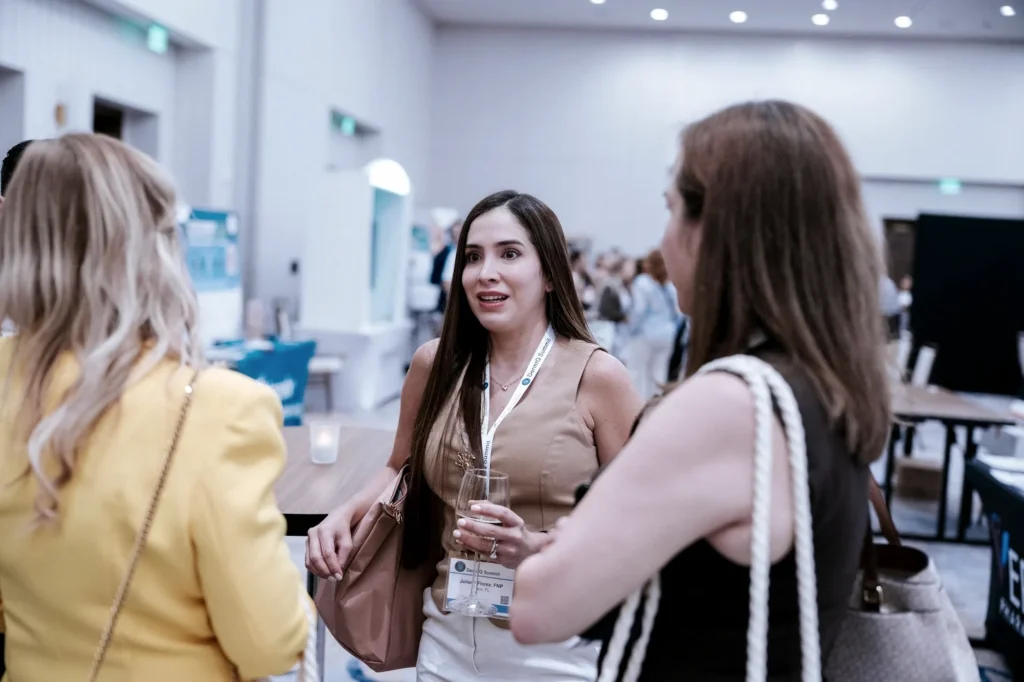
The short answer is a shared language for referrals, and the people to use it with. When a primary care clinician and a dermatologist hear the same case discussion, the referral that follows is clearer on both ends. Several Saturday sessions were co-taught by two faculty, which kept the format close to a real case discussion. We wrote up that frame in Know when to treat. Know when to refer.
A few other things stood out:
- Faculty access over meals. The welcome reception and master class dinners put faculty and attendees at the same tables, where the follow-up questions happen.
- APPs on stage. PAs taught acne, over-the-counter care, neurotoxins and practice building as faculty, not as a side panel.
- Learning that keeps going. Attendees were promised select recordings and slides after the Summit, because "Dermatology Education Shouldn't End When the Meeting Does."
What's next
"The Summit is the beginning, not the end." Next is the DermIQ Dermato-Allergy Exchange, March 13 to 14, 2027, in Tysons Corner, VA, where primary care clinicians, allergists and dermatologists work through atopic dermatitis, urticaria and the other conditions they share. Then the Summit moves to Miami in June 2027, with more live, hands-on training. Dates and venue are still to come, and the Summit 2027 waitlist is open now.
Education for every clinician who touches skin. Written for clinicians, not as advice for patients. Questions or a case to share? Write to us.